Are There More Sharks in Lake Macquarie in 2026?
The debate around sharks in Lake Macquarie has become one of the biggest talking points in New South Wales during 2025 and 2026. From Swansea Channel to Belmont and the northern side of the lake, locals have reported more shark sightings than many can remember. Drone footage, fishing videos and social media posts have pushed the issue into the spotlight, especially after a sharp rise in shark incidents across NSW.
A widely shared video published by news.com.au showed multiple sharks moving through Lake Macquarie waters near Swansea, with locals describing the footage as “goodsized” sharks cruising close to recreational boating areas.
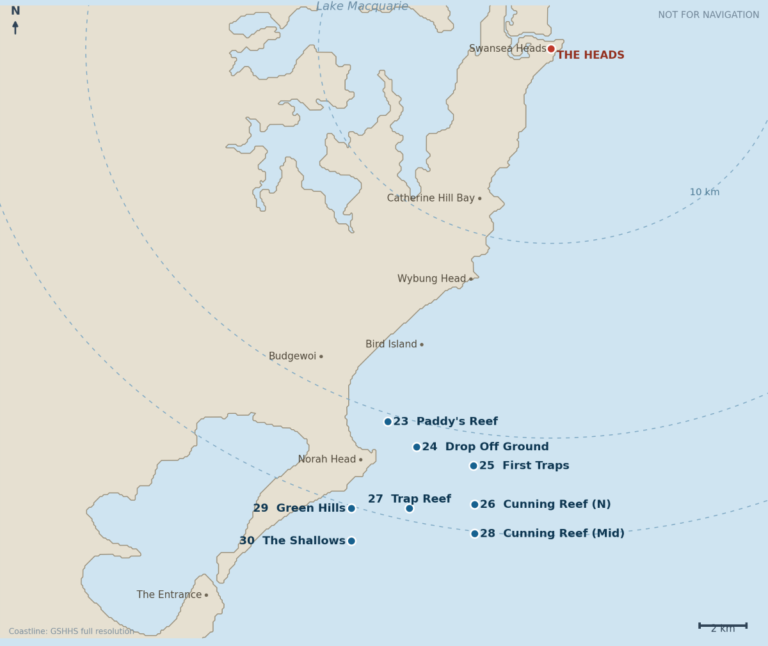
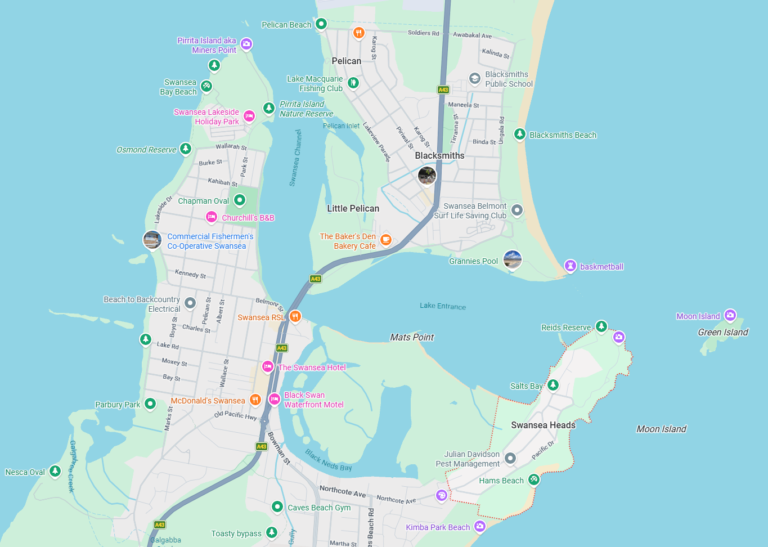
For many residents, the concern feels real because Lake Macquarie is not an isolated freshwater lake. It connects directly to the Pacific Ocean through Swansea Channel, allowing marine species to move freely in and out depending on tides, baitfish movement, water temperature and rainfall.
Marine experts say bull sharks have always entered the lake system, but the question now is whether shark numbers are genuinely increasing or whether people are simply seeing and reporting them more often.
Why Shark Sightings Feel More Common
There are several reasons locals believe there are now more sharks in Lake Macquarie:
- More drones and cameras capturing footage
- Social media spreading sightings instantly
- Increased media reporting on shark encounters
- Warmer water temperatures
- Heavy rainfall creating murky conditions
- More baitfish moving into estuaries and lake systems
- Rising public fear after multiple NSW shark attacks
Experts from the NSW Department of Primary Industries previously stated that increases in recorded sightings around Lake Macquarie did not necessarily mean shark populations had suddenly exploded. Instead, authorities believe reporting rates have increased dramatically.
Still, that explanation has not satisfied everyone.
NSW Shark Attacks Have Increased
What cannot be denied is that NSW has experienced one of its busiest periods for shark incidents in recent history.
ABC News reported that four shark bite incidents occurred across NSW beaches within just 48 hours during January 2026.
Experts described the conditions as a “perfect storm” for shark activity:
- Heavy rainfall pushed baitfish into estuaries
- Murky water reduced visibility
- Warm ocean temperatures increased shark movement
- More people entered the water during summer
- Bull sharks moved closer to shore following prey
Scientists interviewed by The Guardian and ABC said bull sharks are highly responsive to rain events because fish aggregate in dirty water systems after storms.
That matters for Lake Macquarie because the lake regularly experiences exactly those conditions.
Shark Attack Statistics in NSW and Australia
The Australian Shark-Incident Database, managed through Taronga Conservation Society Australia, remains the main national source for verified shark attack data.
Below is a verified overview compiled from national reporting and media coverage during 2025-26.
| Year | NSW Shark Incidents | NSW Fatalities | Australia Incidents | Australia Fatalities | Key Notes |
|---|---|---|---|---|---|
| 2024 | Around long-term average | 0 | 9 reported unprovoked bites | 0 | Lower activity year nationally |
| 2025 | 8 reported attacks | 2 | 21 unprovoked incidents | 5 | Australia exceeded 5-year average of 13 incidents |
| Jan 2026 only | 4 attacks in 48 hours | 1 | Multiple incidents nationwide | Ongoing | Highest January attack activity in NSW in years |
Bull Sharks in Lake Macquarie
When people talk about sharks in Lake Macquarie, they are mostly referring to bull sharks.
Bull sharks are different from many other shark species because they tolerate freshwater and low-salinity water. They regularly travel into rivers, estuaries, harbours and enclosed waterways.
Marine experts say juvenile bull sharks often spend their early years in estuary systems before moving offshore later in life.
That makes Lake Macquarie ideal habitat during warmer months.
Locals have reported bull shark sightings around:
- Swansea Channel
- Marks Point
- Belmont
- Bolton Point
- Pulbah Island
- Fishing grounds near Wangi
- Northern bays after rain events
Social media pages dedicated to shark sightings now receive regular submissions from Lake Macquarie residents, fishermen and kayakers.
This short captures the growing concern around sharks in Lake Macquarie, showing large sharks moving surprisingly close to recreational areas.
Videos like this have fuelled debate across NSW during 2025-26, with some locals demanding stronger shark control measures while conservationists argue sharks naturally belong in these waterways.
Increased sightings are being linked to warmer waters, baitfish movement and rising public awareness.
The Shark Hunter Argument
The rise in shark incidents has created a fierce divide across NSW.
Some shark hunters and commercial fishermen believe shark populations have grown too high near populated areas. One vocal group pushing that view is Hunter Jaw Restore.
Supporters argue shark nets should remain in place longer and dangerous species like bull sharks should be actively culled around swimming zones.
Their concerns are driven by several beliefs:
- Bull sharks are becoming more aggressive near humans
- Sharks are entering waterways more frequently
- Offshore overfishing is forcing sharks closer to beaches
- Removal of shark nets has reduced swimmer protection
- Government policy focuses too heavily on conservation
The NSW Government reduced shark net seasons in recent years because of concerns about turtles, dolphins and other marine animals becoming trapped.
Critics say the timing of increased shark incidents and reduced netting has fuelled public anger.
The Conservationist View
Conservationists strongly oppose shark culling programs.
Marine scientists argue there is little evidence that killing sharks reduces attacks long term. Environmental groups also point out that shark nets do not create a complete barrier between sharks and swimmers.
Instead, nets often capture:
- Turtles
- Rays
- Dolphins
- Harmless shark species
- Endangered marine animals
Many conservation groups believe education and technology are more effective than killing sharks.
Current NSW shark management programs now focus heavily on:
- Drone surveillance
- SMART drumlines
- Shark listening stations
- SharkSmart alerts
- Community shark bite kits
- Public education campaigns
The NSW Government expanded drone patrol programs and shark monitoring funding during the 2025-26 summer season after the spike in attacks.
Conservationists often repeat one simple point: sharks belong in the ocean and humans enter their environment at their own risk.
Are There Actually More Sharks in Lake Macquarie?
Right now, nobody can give a definite answer.
Scientists say there is no clear evidence proving shark populations inside Lake Macquarie have suddenly exploded. What is clear is that sightings have increased dramatically and public awareness is far higher than it was even five years ago.
There are also several environmental reasons shark activity may appear stronger in 2025-26:
- Warmer water temperatures
- Larger baitfish schools
- Increased rainfall
- More estuary activity
- More people using waterways
- Better technology spotting sharks
Experts also say bull sharks naturally move toward murky water after storms because prey fish gather there.
For Lake Macquarie residents, that means shark encounters may remain common during warm, wet conditions.
Staying Safe Around Sharks in Lake Macquarie
Authorities continue advising swimmers, paddlers and fishermen to reduce risk by following basic safety advice.
Safety Tips
- Avoid swimming after heavy rain
- Stay out of murky water
- Avoid dawn and dusk swimming
- Do not swim near baitfish schools
- Watch for bird feeding activity
- Use SharkSmart alerts before entering the water
- Swim at patrolled locations where possible
NSW authorities have also expanded drone patrols and shark detection technology across coastal regions after the rise in incidents.
Sharks In Lake Macquarie
The discussion around sharks in Lake Macquarie is unlikely to disappear anytime soon.
Fear has grown after a sharp increase in shark attacks across NSW during 2025 and early 2026. That has pushed the debate between shark hunters and conservationists into mainstream conversation.
One side believes dangerous sharks should be controlled more aggressively. The other believes sharks are an essential part of the marine ecosystem and that humans must adapt instead of demanding culls.
What everyone agrees on is this: sharks are now being seen more often, discussed more often and recorded more often than ever before.
And for many people living around Lake Macquarie, that alone has changed the way they view the water.