The First Nations People From the Central Coast of NSW
Beaches, waterways and modern suburbs from Hornsby to Newcastle are spoken about frequently, yet the deeper history of this region reaches back thousands of generations with The First Nations People from the Central Coast. Long before Gosford, Wyong, Terrigal, Woy Woy or The Entrance were mapped by Europeans, Aboriginal people lived across these estuaries, ridgelines, forests and coasts in a highly organised cultural world.
This was not empty land. It was named land, managed land, sung land and inherited land.
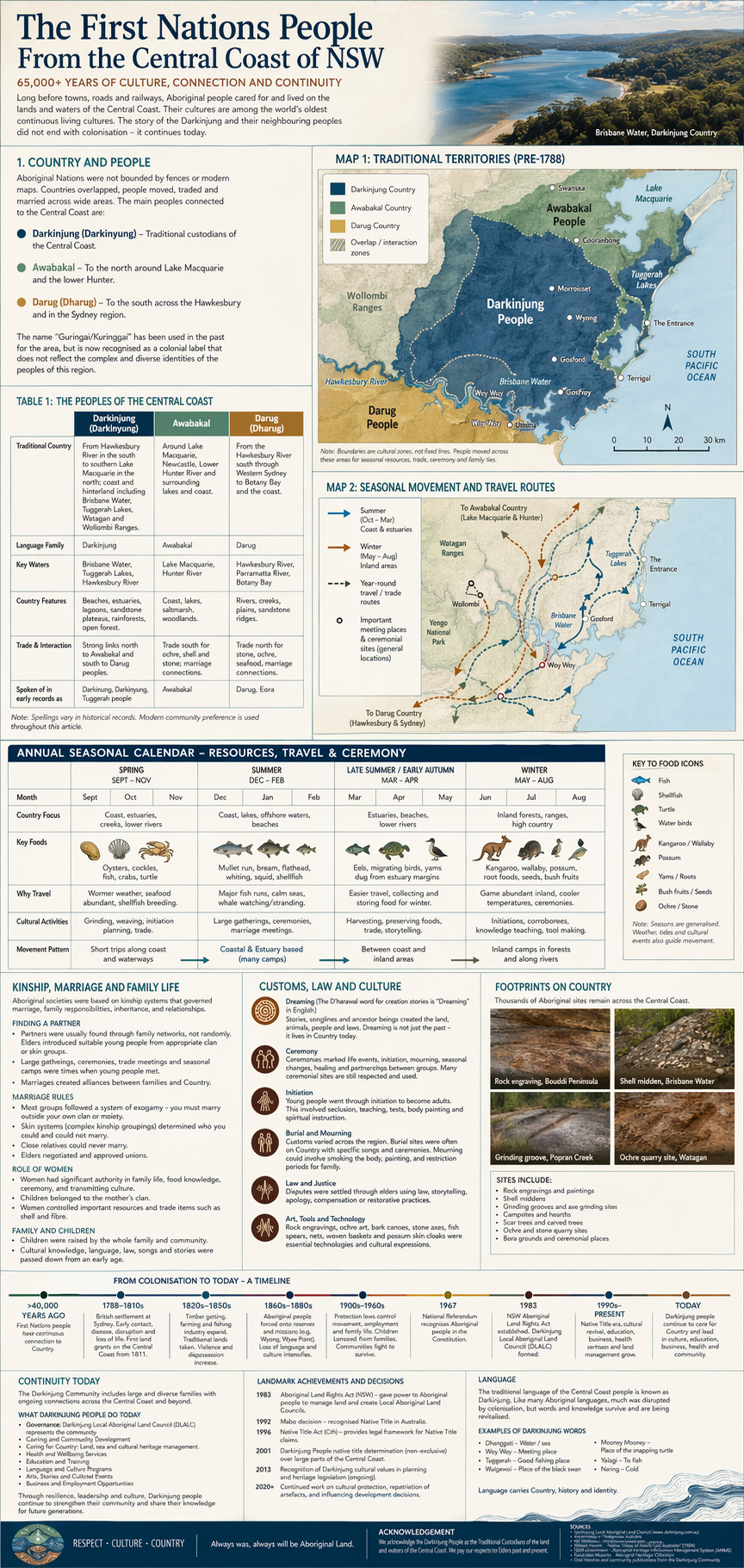
The First Nations history of the Central Coast is tied most strongly today to the Darkinjung people, with long-standing cultural relationships to neighbouring Awabakal people to the north and Darug peoples to the south and west. Movement, marriage, ceremony and trade linked these communities across rivers and ranges.
Their story did not end with colonisation. It continues through families, Elders, land councils, artists, teachers, rangers, health workers, business leaders and young people carrying culture forward.
Who Were the First Nations Peoples of the Central Coast?
Darkinjung / Darkinyung People
The people most widely recognised today as Traditional Custodians of much of the Central Coast are the Darkinjung (also written Darkinyung, Darkinung and other historical spellings).
Modern recognition places Darkinjung Country across:
- Hawkesbury River in the south
- Lake Macquarie district in the north
- Pacific coastline in the east
- Watagan Mountains, Wollombi and Yengo ranges inland
Darkinjung Local Aboriginal Land Council today represents a large part of this region.
Awabakal People
To the north lived the Awabakal, whose core Country centred on:
- Lake Macquarie
- Newcastle coast
- lower Hunter region
Their southern boundaries likely overlapped through interaction zones with northern Central Coast communities.
Darug Peoples
To the south and inland lived Darug-speaking peoples, connected to:
- Hawkesbury River systems
- Cumberland Plain
- western Sydney basin
- Broken Bay approaches
The Hawkesbury River was not a wall. It was also a route of movement and contact.
Boundaries – How Country Was Understood
European maps often give the wrong impression. Aboriginal boundaries were not surveyed fences. They were shaped by:
- rivers
- ridgelines
- resource zones
- language shifts
- kinship rights
- ceremony grounds
- negotiated access
That means some areas were shared seasonally or used under permission.
| Area Today | Traditional Association |
|---|---|
| Umina, Ettalong, Woy Woy, Brisbane Water | Darkinjung core coastal areas |
| Gosford, Terrigal, Tuggerah Lakes | Darkinjung |
| Lake Macquarie south | Darkinjung / Awabakal interaction |
| Hawkesbury north shore / Broken Bay | Darkinjung / Darug contact zone |
| Wollombi, Yengo, Watagans | Darkinjung inland travel corridors |
Life Before Colonisation
Rich Coastal Economy
The Central Coast was one of the most resource-rich parts of NSW.
Food sources included:
Waterways
- mullet
- bream
- flathead
- whiting
- eels
- crabs
- oysters
- cockles
- mussels
Land Animals
- kangaroo
- wallaby
- possum
- goanna
- birds
- eggs
Plant Foods
- yam roots
- berries
- seeds
- nectar
- fern roots
- medicinal plants
Homes and Camps
Shelter varied by season and place:
- bark windbreaks
- temporary gunyahs
- larger family camps near water
- inland hunting camps
- ceremonial gathering places
Watercraft
Bark canoes were used in calm waters like:
- Brisbane Water
- Tuggerah Lakes
- Hawkesbury tributaries
- sheltered bays
These were used for fishing, transport and gathering shellfish.
Seasonal Movement – Not “Nomadic” in the Loose Sense
Aboriginal people of the Central Coast moved with purpose through Country. They were not aimless wanderers. Movement followed law, seasons and food cycles.
Seasonal Calendar
| Season | Main Area | Why Move | Main Foods |
|---|---|---|---|
| Spring (Sep-Nov) | creeks, estuaries | fish return, plant growth | shellfish, fish, greens |
| Summer (Dec-Feb) | beaches, coast | warm seas, fish schools | mullet, bream, marine foods |
| Autumn (Mar-May) | lakes, valleys | stable weather, birdlife | eels, birds, roots |
| Winter (Jun-Aug) | inland forest, sheltered ridges | game hunting, wind shelter | wallaby, kangaroo, possum |
Why Inland in Winter?
The coast can be exposed to cold winds and rough seas. Inland valleys offered:
- shelter
- game animals
- firewood
- ceremony sites
- family gatherings
Why Coast in Summer?
Summer often brought:
- better fishing
- mullet runs
- shellfish abundance
- easier canoe travel
- larger social gatherings
Marriage, Kinship and Finding a Partner
This was one of the most structured parts of life.
Kinship Came First
Marriage was governed by social law. People usually could not marry close blood relatives. Rules helped maintain balance and prevent incest.
How Partners Were Found
Gatherings and Ceremony
Large gatherings brought neighbouring groups together for:
- ceremony
- trade
- dispute settlement
- initiation
- courtship
Family Guidance
Elders often guided or approved unions. Marriage was not only about two people. It linked families and Countries.
Inter-group Marriage
Marriages may connect:
- Darkinjung and Awabakal families
- Darkinjung and Darug families
- inland and coastal groups
These links built peace, access rights and support networks.
Women’s Role
Women were central to:
- food gathering economies
- child raising
- medicine knowledge
- passing language
- family alliances
- ceremony responsibilities
Kinship, Marriage and Family Law
Kinship was the backbone of society. It determined responsibility, marriage suitability, obligations to children, ceremonial duties and access rights across Country. Marriage was governed by law. People generally avoided close blood relatives. Unions could strengthen ties between neighbouring groups. Elders often guided matches. Ceremonial gatherings created opportunities for courtship.
Women held authority in food economies, child raising, medicine knowledge and family continuity.
Customs, Ceremony and Law
Customs on the Central Coast were not separate from daily life. Law, family, food, movement, marriage, ceremony and Country were bound together. A child did not learn culture from a book. They learned by watching, listening, copying, walking, helping, being corrected and being trusted with more knowledge as they grew.
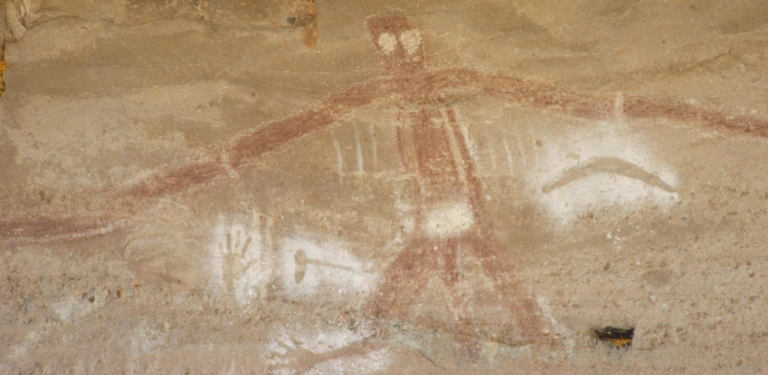
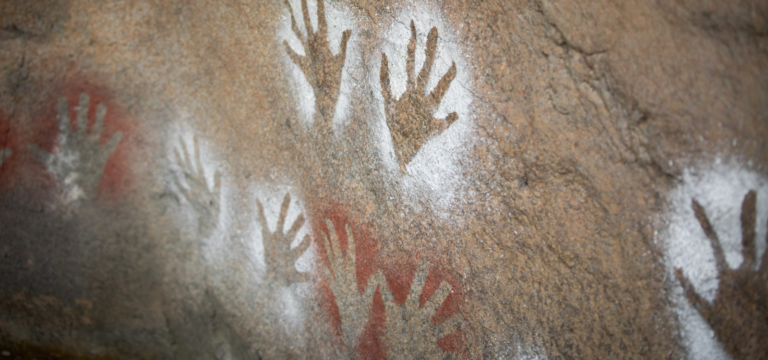
The rock platforms, caves, ridges and waterways of the Central Coast were part of that education. Sites with engravings, grinding grooves, hand stencils, middens and stone arrangements were not just old marks in the landscape. They were teaching places. Some places taught food knowledge. Some held story. Some were linked to ceremony. Some were not for everyone to see or speak about.
Modern heritage records and local Aboriginal knowledge identify the Calga Aboriginal Cultural Landscape, near the Gosford hinterland, as a highly important ceremonial landscape. This area has been linked by local Aboriginal knowledge holders to law, Daramulan and initiation ceremony known in this part of south-eastern Australia as Bora, Burbung or Boraba. Older records collected by R. H. Mathews in the late nineteenth century also describe Burbung initiation among Darkinung people. His writing must be read with care because he was an outsider, writing during a time of colonisation, but it remains one of the few detailed written records of ceremonial practice in the region.
Childhood and Early Learning
In early childhood, boys and girls lived mainly within the family camp, close to their mothers, aunties, older siblings and grandparents. This was not a passive childhood. Children learned constantly. They learned which plants could be touched, eaten or avoided. They learned where water could be found. They learned the sound of birds, the tracks of animals, the shift in wind, the meaning of cloud, the pull of tide and the danger of certain places.
Grandparents and Elders played a major teaching role. Older people carried memory: stories of places, old camps, marriage links, kin names, food rules and warnings. A child might learn a track long before being allowed to travel it alone. A child might hear a story many times before being told its deeper meaning.
For boys, the early years were usually spent close to women and family. As they grew older, often around later childhood, they began to spend more time with older male relatives. This did not mean they became men at once. It meant their training changed. They watched men make tools, prepare spears, read tracks and choose where to hunt. They learned when not to hunt as much as when to hunt. Some animals were avoided because of totem rules, breeding seasons, age, sex or ceremony.
Girls also moved through stages of learning. They learned from mothers, aunties, grandmothers and senior women. Their education included food gathering, medicine, childbirth knowledge, water places, fibre work, camp care, family law, ceremony and the rights and duties that came with womanhood. Women’s knowledge was not lesser knowledge. It was central to survival.
Boys, Hunting and the Road to Manhood
A boy did not become a man because he reached a birthday. Aboriginal life stages were tied to training, discipline and recognition by Elders. A boy had to prove he could listen, control himself, respect law, feed others and act responsibly.
Before joining serious hunts, boys learned by practice. They might carry small spears, copy older boys, follow tracks near camp, collect wood, fetch water or help prepare food. They watched how men moved quietly, how they read broken grass, how they judged wind direction and how they approached animals without wasting effort.
Cave shelters and engraved rock platforms could work as outdoor classrooms. Animal figures, ancestral beings and track-like markings were not simple pictures. They could help teach law, story, identity, species behaviour and the relationship between people and Country. Some knowledge attached to these places was public. Other knowledge was restricted by age, gender or initiation level.
Only when a boy showed enough skill and restraint would he be allowed to go with men on more serious hunting trips. Even then, he was still learning. The point was not simply to kill an animal. He had to know what animal to take, how to treat it, who should receive which part, what should not be wasted and what rules applied.
Initiation and Becoming a Man
Male initiation was one of the great turning points in life. In the Central Coast and nearby south-eastern NSW region, this type of ceremony was often known as Bora, Burbung or Boraba. R. H. Mathews recorded a Burbung ceremony associated with Darkinung people in the 1890s. Later researchers and heritage listings also connect Darkinjung ceremonial landscapes with initiation law.
Initiation was not one short event. It could involve preparation, separation from the main camp, instruction, ceremony, tests, symbolic actions and later stages of learning. Boys were taken away from women and children and placed under the authority of senior men. They were taught rules that children were not allowed to know. They learned sacred names, stories, conduct, obligations and the authority of Elders.
Mathews’ account describes ceremonial grounds, messengers sent to neighbouring groups, carved or marked places, body painting, formal movement and the gathering of people from more than one district. This matters because it shows that initiation was not only personal. It joined groups together. It renewed law across Country.
The goal was not harshness for its own sake. The goal was transformation. The boy was no longer only a child of his mother’s camp. He was being made responsible to a wider world: his father’s kin, his mother’s kin, his future wife’s people, his own children, his Elders, his totems and his Country.
Women’s Law and Coming of Age
Written colonial records say far less about women’s initiation and women’s ceremony, mostly because male outsiders did not have access to that knowledge. This silence should not be mistaken for absence.
Girls also moved through recognised stages of life. Senior women taught them food knowledge, marriage rules, body knowledge, child care, ceremony, mourning practice and the duties of adult women. Some knowledge was held only by women. Some sites were women’s places. Some stories and practices were not shared with men.
Women controlled major parts of the food economy. In many Aboriginal societies, plant foods, shellfish, small animals and gathered foods supplied much of the regular diet. On the Central Coast, women’s knowledge of estuaries, shell beds, roots, fibres, medicines and seasonal timing would have been vital.
Marriage also brought women into important diplomatic roles. A woman marrying into another group could link families, open social pathways and strengthen peace between neighbouring peoples.
Law, Totems and Food Rules
Law also governed food. People did not simply eat whatever they could catch. Totemic relationships shaped what could be taken, avoided or treated with care. A person might have a relationship with a species, place or ancestral being that carried duties. In many Aboriginal societies, people did not eat their own totem, or did so only under strict conditions.
These rules helped protect species, but they were not just conservation rules in the modern sense. They were spiritual and social duties. A person was not outside nature, managing it from above. A person belonged within a network of kin that included animals, plants, waters and ancestral powers.
Ceremony as Social Order
Ceremony held society together. It taught law, settled relationships, marked life stages and renewed links between neighbouring groups.
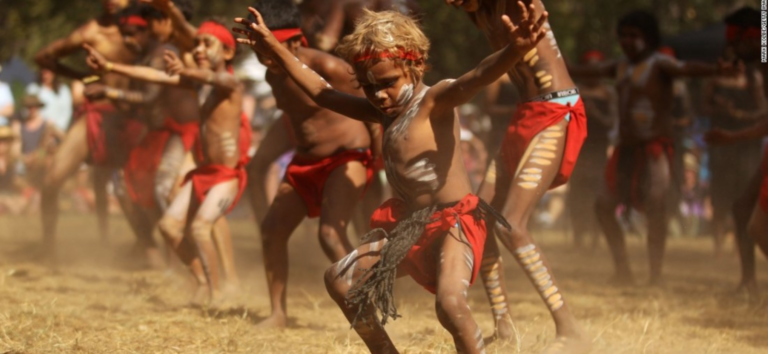
Ceremonies could involve dance, song, body paint, ochre, fire, smoke, carved ground, marked trees, special pathways and restricted spaces. People came with obligations. Messengers could travel to invite related groups. Visitors had to behave correctly. Hosts had duties to feed, welcome and protect guests.
Large gatherings were also times when marriages could be discussed, disputes settled, goods exchanged and younger people seen by families from other groups. Ceremony was therefore spiritual, political, social and practical at once.
Mourning, Death and Memory
Death brought strong obligations. The living had duties to grieve properly, care for relatives, remember the person and observe rules around the name, possessions or camp of the deceased. Exact practices varied between groups and changed over time, especially after colonisation disrupted ceremony and family life.
Burial places across the region are among the most sensitive Aboriginal heritage sites. They are not archaeological objects. They are resting places of ancestors. Disturbing them is a deep cultural harm.
Mourning could involve changes in speech, movement, body marking, cutting hair, leaving a camp, avoiding a name or observing silence. Such practices were not random acts of grief. They helped the community carry loss while keeping respect for the dead.
Story, Dreaming and Teaching Places
Dreaming stories explain how Country came to be, how law was formed and how people should live. In English, people often use the word “Dreaming”, but Aboriginal meanings are deeper than sleep or myth. Dreaming speaks to creation, law, time, memory and present responsibility.
On the Central Coast, rock engraving sites are central to this teaching world. Bulgandry Aboriginal Place near Brisbane Water is one of the best-known public examples. Its engravings include figures connected with creation stories, animals and ancestral knowledge. Other sites are less public and may be protected from open detail.
It is important not to treat these places as tourist curiosities. They are cultural texts, memory places and spiritual places. For Aboriginal people today, they remain part of living identity.
Fire and Caring for Country
Fire was one of the main tools used to care for land. Cultural burning was not random burning. It used timing, weather, plant knowledge and purpose.
Small, careful fires could clear walking routes, bring fresh shoots, attract grazing animals, reduce heavy fuel and protect camp areas. Burning at the wrong time or in the wrong way could damage Country. Burning well needed experience.
On the Central Coast, different Country types needed different fire knowledge: coastal heath, open forest, wet gullies, ridges and inland woodland did not all burn the same way. Elders and skilled adults knew where fire helped, where it harmed and when Country should be left alone.
Trade Routes and Exchange
The Central Coast sat between the Sydney basin, the Hawkesbury River, the Hunter Valley and Lake Macquarie. This made it a major meeting zone rather than an isolated strip of coast.
Travel routes followed water, ridges and old tracks. People could move north toward Awabakal Country, south toward Darug and coastal Sydney peoples, west through Wollombi and Yengo, and east along beaches, lakes and estuaries.
Trade was not only about objects. It included marriage, ceremony, news, songs, stories and permission to travel. Goods that may have moved through these networks included ochre, stone, tools, shell items, fibre goods, food and ornaments.
A person travelling through another group’s Country needed rights or permission. Kinship ties, marriage links and ceremony relationships helped make this possible.
Colonisation and Upheaval
1788 and the First Shock
British invasion at Sydney in 1788 changed the Central Coast even before large numbers of settlers arrived there. Disease moved faster than farms. Smallpox and later introduced illnesses caused heavy loss across Aboriginal communities in the Sydney, Hawkesbury and coastal NSW region. For Central Coast peoples, this likely meant family lines broken, Elders lost, ceremonies interrupted and children growing up without some teachers who should have guided them.
Early Settlement Pressure
By the early 1800s, European movement north of Sydney increased. Timber cutters, boat crews, surveyors, soldiers, escaped convicts and settlers entered waterways and forests that Aboriginal people had managed for countless generations.
The Central Coast’s timber, waterways and access routes made it attractive to colonists. Land grants, clearing and farming placed pressure on camps, tracks, hunting grounds and fishing places. A grant on a map could cut across a pathway used for generations.
Broken Food Systems
Colonisation damaged the food economy in many ways. Clearing changed animal habitat. Stock competed for plant foods and fouled waterholes. Settlers took over river flats and sheltered camp places. Fishing grounds became controlled or polluted. Shell beds and middens were disturbed. Dogs, guns and new property rules changed hunting.
The effect was not only hunger. It struck at ceremony, kinship and teaching. If families could not travel to a place, children could not learn that place properly.
Violence, Policing and Control
Frontier violence across NSW took many forms: shootings, raids, forced removals, arrest, intimidation and punishment for taking food from land that had been seized. Written records rarely tell the full Aboriginal side of these events. Silence in the archive should not be treated as peace.
Over time, government control grew. Aboriginal people across NSW faced reserves, rations, permits, police surveillance, mission pressure and later the Aborigines Protection Board. Marriage, work, movement, wages and children could all come under state interference.
Children and Cultural Loss
The removal of Aboriginal children was one of the most damaging acts of colonisation. Removing a child meant more than taking them from parents. It broke language transmission, kinship teaching, ceremony training, food knowledge and belonging to Country.
Yet even under these conditions, culture survived in family memory. Some knowledge was kept quietly. Some was hidden for safety. Some was carried through names, stories, food practices, burial memory, place knowledge and family links.
Survival Through Family Lines
One of the most damaging myths in local history is the claim that Aboriginal people of settled coastal regions “disappeared”. They did not disappear. They survived invasion, disease, removal, poverty and pressure to deny identity.
Some families stayed close to Country. Others moved between the Central Coast, Hawkesbury, Hunter, Sydney and inland districts for work, marriage, safety or family support. This movement was sometimes forced, sometimes chosen and often shaped by survival.
Identity continued through mothers, fathers, grandparents and community memory. A family might carry links to Darkinjung, Awabakal, Darug, Worimi or other Nations through marriage and movement. This does not weaken identity. It reflects the old networked nature of Aboriginal society.
Landmark Change in Modern Times
1967 Referendum
The 1967 Referendum marked a major national change. It allowed the Commonwealth to make laws for Aboriginal people and meant Aboriginal people would be counted in the national census. It did not grant citizenship by itself, as is often wrongly stated, but it became a powerful symbol of recognition and reform.
NSW Aboriginal Land Rights Act 1983
The NSW Aboriginal Land Rights Act 1983 created Local Aboriginal Land Councils and gave Aboriginal communities a legal path to claim certain Crown lands. For the Central Coast, Darkinjung Local Aboriginal Land Council became a major institution for land, housing, heritage, culture and community development.
Mabo and Native Title
The 1992 Mabo decision rejected the false idea of terra nullius. It confirmed that native title could exist under Australian law where connection to Country had continued and had not been legally extinguished. The Native Title Act followed in 1993.
For heavily settled coastal regions, native title can be difficult because land has often been granted, sold or developed. Even so, Mabo changed the national legal story. It confirmed that Aboriginal law and connection existed before and beyond British claims.
Heritage Protection and Cultural Authority
Today, Darkinjung Local Aboriginal Land Council has a formal role in protecting Aboriginal culture and heritage in its area. This includes consultation on development, site protection and cultural education.
Modern heritage work includes the protection of engraving sites, grinding grooves, middens, burial areas, stone arrangements and cultural landscapes. This work can be hard because development pressure on the Central Coast is high.
The Central Coast Today
The Aboriginal community of the Central Coast is large, active and growing. Culture is present in schools, public events, business, art, environmental work, health services, land care, tourism and family life.
Darkinjung people and other Aboriginal residents contribute as teachers, artists, rangers, builders, business owners, health workers, public servants, athletes, carers, lawyers, students, Elders and community leaders.
Darkinjung Local Aboriginal Land Council
Darkinjung LALC is one of the key Aboriginal institutions in the region. Its work includes land management, community support, housing, cultural heritage, economic development and cultural education.
Its role is not only administrative. It is part of a broader effort to keep culture strong and make sure Aboriginal people have a say in what happens on Country.
Culture in Public Life
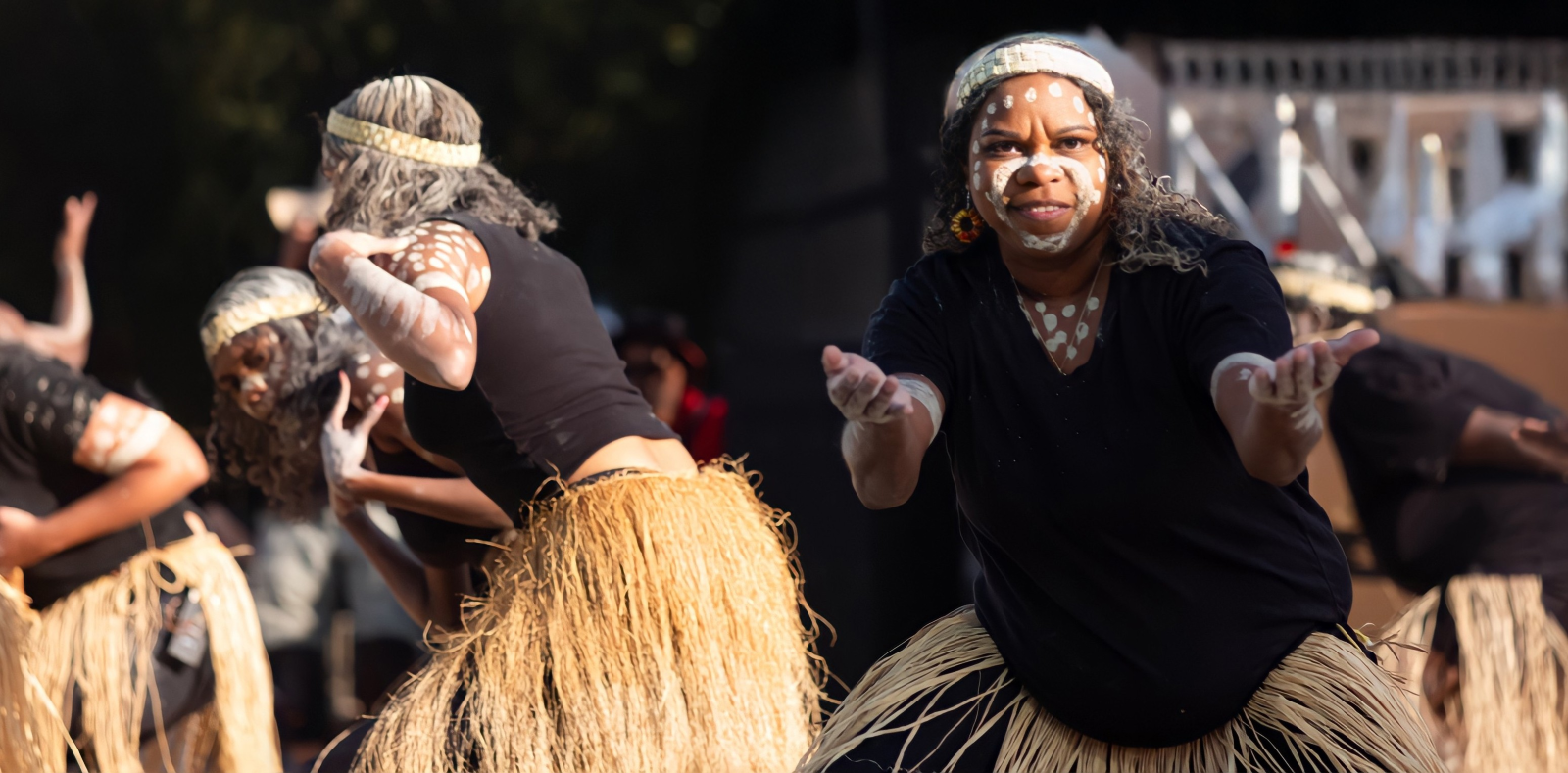
Welcome to Country, Acknowledgement of Country, school cultural programs, guided walks, art projects and public ceremonies are now part of local life. These practices do not replace deeper cultural knowledge, but they help make Aboriginal presence visible in places where it was once ignored.
Young People and Cultural Renewal
Many young Aboriginal people on the Central Coast are learning culture through dance, art, family history, language work, school programs, Elders and Country visits. This is not a return to the past. It is culture continuing in the present.
Important Sites Across the Region
The Central Coast contains thousands of Aboriginal cultural sites. Some are public and interpreted. Many are protected or not publicly named.
Sites include:
- rock engravings
- hand stencils
- axe-grinding grooves
- shell middens
- stone arrangements
- burial places
- old camp areas
- ceremonial landscapes
- ochre and stone resource places
Bulgandry Aboriginal Place is one of the better-known public sites, with engravings on sandstone near Brisbane Water. Calga Aboriginal Cultural Landscape is another major area of cultural significance, linked to law, ceremony and landscape-wide heritage.
These places should be treated with respect. Walking across engravings, touching fragile surfaces, removing objects or sharing restricted locations can cause harm.
Reflections
The First Nations history of the Central Coast is not a short opening chapter before European settlement. It is the foundation story of this region.
Darkinjung people and their neighbours lived through a rich system of law, kinship, ceremony, movement and care for Country. Children grew into adults through patient teaching. Boys became men through training and initiation. Girls became women through the knowledge of mothers, aunties and grandmothers. Elders held memory. Country held story.
Colonisation brought disease, land loss, violence, state control and child removal. Yet Aboriginal people did not vanish. They adapted, protected what they could, carried memory through families and continued to belong.
Today, First Nations people of the Central Coast continue to care for Country, protect heritage, teach culture, run organisations, raise families and shape the future of the region.
To understand the Central Coast truthfully, this history must sit at the centre.
Notation
This article draws on archaeological records, oral history, Aboriginal community sources, NSW heritage records, historical journals, and academic research. Boundaries and cultural practices described for pre-colonial periods may vary across sources, as many early records were written by outsiders and spellings of Nation names changed over time.
References
Aboriginal Heritage Office. Aboriginal Cultural Heritage in the Sydney and Central Coast Region. Sydney, NSW. Accessed 2026.
Australian Institute of Aboriginal and Torres Strait Islander Studies (AIATSIS). Map of Indigenous Australia. Canberra: AIATSIS. Accessed 2026.
Attenbrow, Val. Sydney’s Aboriginal Past: Investigating the Archaeological and Historical Records. 2nd ed. Sydney: UNSW Press, 2010.
Central Coast Local Health District. Acknowledgement of Country – Darkinjung People. NSW Government. Accessed 2026.
Darkinjung Local Aboriginal Land Council. Culture and Heritage. NSW. Accessed 2026. https://www.darkinjung.com.au
Darkinjung Local Aboriginal Land Council. About Darkinjung Country. NSW. Accessed 2026.
Department of Planning and Environment NSW. Calga Aboriginal Cultural Landscape Heritage Documentation. NSW Government. Accessed 2026.
Enright, W. J. Notes on the Aborigines of the North Coast of New South Wales. Historical records used in regional Aboriginal studies.
Faison, Lorin. Aboriginal Archaeological Sites of the Central Coast of New South Wales. Regional heritage studies.
Heritage NSW. Aboriginal Places and Cultural Landscapes: Calga and Central Coast Listings. NSW Government. Accessed 2026.
Howitt, A. W. The Native Tribes of South-East Australia. London: Macmillan, 1904.
Mathews, R. H. “The Burbung of the Darkinung Tribes.” Proceedings of the Royal Society of New South Wales (1897).
McCarthy, F. D. Aboriginal Sites in Eastern New South Wales. Australian Museum research papers.
NSW Aboriginal Land Council. Aboriginal Land Rights Act 1983 (NSW) – Historical Overview. Sydney.
NSW National Parks and Wildlife Service. Bulgandry Aboriginal Place – Cultural Significance and Site Information. NSW Government.
Smith, Keith Vincent. King Bungaree: A Sydney Aborigine Meets the Great South Pacific Explorers, 1799–1830. Sydney: Kangaroo Press, 1992.
Tench, Watkin. A Complete Account of the Settlement at Port Jackson. London, 1793. (Useful for early coastal Aboriginal observations in the wider Sydney-Hawkesbury district.)
Threlkeld, Lancelot Edward. Reminiscences and Linguistic Notes on the Awabakal Language and People. Early Hunter region records.
University of Newcastle. A History of the Aboriginal People of the Central Coast of New South Wales to 1874. Thesis repository. Accessed 2026.
Williams, Glynda-Angela. Regional work on Darkinjung identity, continuity and cultural history.