How to Survive If Your Boat Sinks – Emergency Actions That Save Lives
Last year, Marine Rescue Lake Macquarie performed 594 search and rescue missions. Not all of them ended well so are you prepared If Your Boat Sinks? The difference between those who made it home and those who didn’t often came down to what they did in the first few minutes after things went wrong.
I’ve been pulled out of the water twice in 30 years of boating. Once off Swansea Heads when a rogue wave flipped my tinnie, and once in the middle of Lake Macquarie when an engine fire forced us to abandon ship. Both times, staying calm and knowing what to do saved my life.
If you’ve read my guide on preventing your boat from sinking, you know that most sinkings are preventable. But sometimes, despite your best efforts, things go catastrophically wrong. Knowing how to survive boat sinking situations could mean the difference between becoming a statistic and living to tell the story.
The First 30 Seconds – Critical Actions
When your boat starts sinking, your body dumps adrenaline like crazy. Your heart races, hands shake, and rational thought becomes difficult. This is normal. The key is having practiced responses that kick in automatically.
Life jackets first. Not in a minute. Not after you check the bilge. Now. Everyone puts on a life jacket immediately. I don’t care if you’re Michael Phelps—when you hit cold water unexpectedly, swimming ability means nothing.
Lake Macquarie water temperature drops below 15°C in winter. At that temperature, cold water shock can kill you in minutes. Your body gasps involuntarily, muscles seize, and swimming becomes impossible. A life jacket keeps your head above water when your body stops cooperating.
Do a quick headcount. In the chaos, it’s easy to lose track of people. Assign someone to watch each person, especially kids. Panic makes people do stupid things like jumping overboard too early or trying to save belongings instead of themselves.
Three teenagers survived capsizing near Pulbah Island last winter because they stayed calm, stayed together, and stayed with their overturned boat. They were in the water for two hours before rescue, but they all went home.
Making the Mayday Call
Your VHF radio should be set to Channel 16. Key the mic and speak clearly: “Mayday, Mayday, Mayday. This is [boat name]. Mayday [boat name].” Then give your position, number of people aboard, and nature of distress.
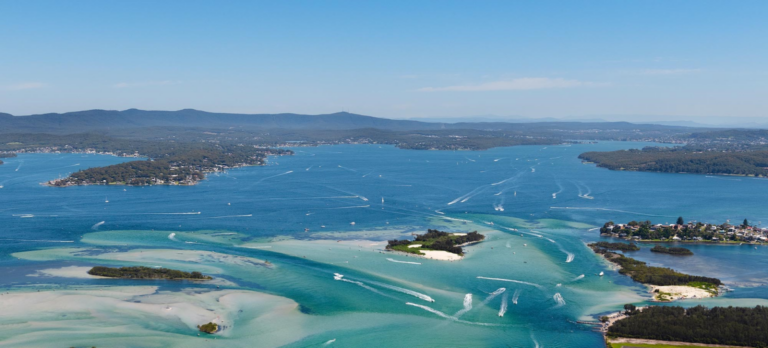
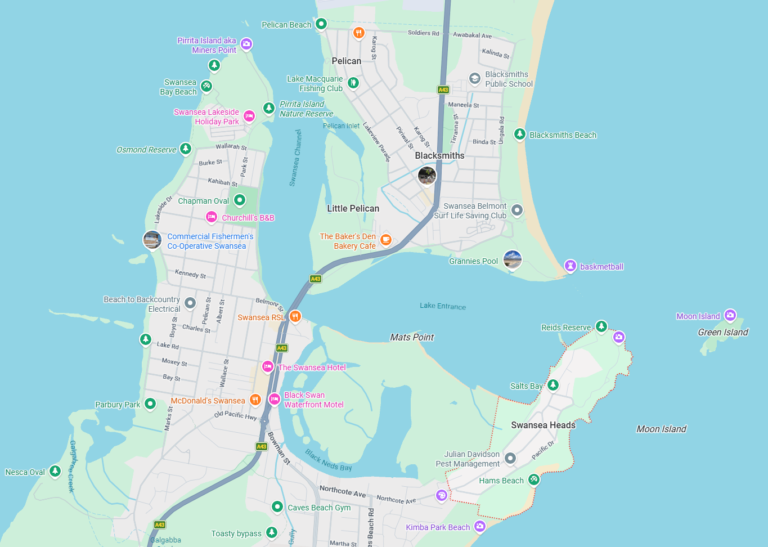
For Lake Macquarie, use landmarks if you don’t have GPS coordinates. “Two kilometers east of Swansea Bridge” or “Between Pulbah Island and Wangi Point” works. Marine Rescue monitors constantly and knows these references.
State how many “souls on board”—that’s the term they want. Include anyone in the water. Describe your boat: “White 6-meter half-cabin, blue canopy.” This helps rescuers spot you.
Wait 10 seconds for a response, then repeat the whole message. If you have an EPIRB or PLB, activate it now. These devices send your exact position via satellite. Worth every cent of the $300 price tag.
Don’t tie up the radio with unnecessary chatter. State facts, answer questions briefly, then clear the channel unless asked to stand by. Other boats might need help too.
Damage Control – Buy Yourself Time
If water’s coming in but you’re not sinking immediately, you might be able to buy crucial time. First, find where it’s coming from. Sounds obvious, but panicked people often bail frantically without addressing the source.
Engine cooling water pumps about 20 gallons per minute. If you can safely run the engine, put it in gear and open the raw water intake fully—you’ve just created a 1,200 gallon-per-hour pump. I’ve seen boats limp home basically using their engine as a bilge pump.
Stuff anything into the hole—shirts, cushions, towels. It won’t stop the leak completely but might slow it enough to reach shallow water. Wooden wedges or soft wood plugs work better if you have them.
Find and close seacocks near the leak. Every through-hull should have one. If you don’t know which is which, close them all—you can sort it out later if there is a later.
Move weight away from the leak. If water’s coming in the bow, get everyone aft. This lifts the hole higher relative to the waterline, reducing flow rate. Simple physics that actually works.
But here’s the hard truth: know when to stop fighting. When water reaches the engine, when the boat lists beyond recovery, when electrical systems fail—stop damage control and prepare to abandon ship. I’ve watched people waste precious minutes trying to save a doomed boat when they should have been preparing to save themselves.
The Decision to Abandon Ship
The old rule holds true: you step up into a life raft, not down. In other words, don’t abandon ship until you absolutely must. Your boat, even partially submerged, is easier for rescuers to spot than people in the water.
But when water reaches deck level, when the boat becomes unstable, or when fire makes staying impossible, it’s time to go. This is why preparation matters. You should have already gathered emergency supplies in a floating bag—flares, water, first aid, handheld VHF, phone in waterproof case.
If you have a life raft, secure it to the boat with its painter line before inflating. Nothing worse than watching your raft blow away. Deploy it on the lee side (sheltered from wind) if possible.
The most capable person should board the raft first to assist others. Kids and injured people go next. The skipper goes last—that’s not heroics, it’s practical. Someone needs to ensure everyone gets off.
Lake Macquarie presents different challenges than open ocean. You’re never more than a few kilometers from shore, which sounds good until you realize that swimming that distance in cold water is virtually impossible. The temptation to swim for it has killed many people who would have survived by staying put.
In the Water – Immediate Survival
The instant you hit cold water, your body betrays you. Involuntary gasping can make you inhale water. Blood vessels constrict, making muscles weak and clumsy. You have maybe 10 minutes of useful movement in 15°C water before your arms and legs stop working properly.
If you’re wearing a life jacket (and you better be), adopt the HELP position—Heat Escape Lessening Position. Pull your knees to your chest, cross your arms tightly, and float quietly. This reduces heat loss by 50% compared to treading water.
In a group, huddle together. Put kids and smaller people in the middle. Link arms to prevent separation. Body heat shared is body heat saved. Talk to each other. Hypothermia makes people want to sleep—keep everyone alert.
Don’t swim for shore unless it’s literally within 50 meters. Distances over water are deceptive, especially from water level. What looks like 500 meters might be two kilometers. Swimming burns heat rapidly and exhausts you.
Gather any floating debris—coolers, fenders, fuel tanks. Even if you have life jackets, extra flotation helps keep more of your body out of the water. Every degree of warmth matters.
Lake Macquarie’s average rescue response time is 20-40 minutes if you’ve made a successful Mayday call. That’s not long in a warm living room, but it’s eternity in cold water. Focus on conserving heat and energy, not on being rescued quickly.
If Your Boat Capsizes
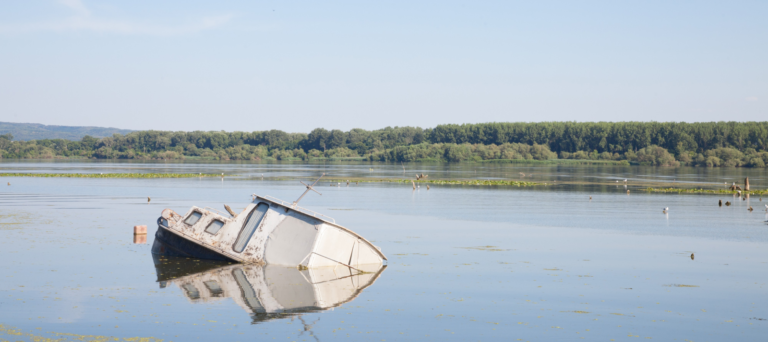
Capsizing is different from sinking. Your overturned boat will probably float—modern boats have foam flotation that keeps them on the surface even when swamped. This floating platform can save your life.
Try to climb onto the overturned hull. Even partially out of the water dramatically improves survival time. If you can’t climb up, at least hold on. The boat is bigger than you, easier for rescuers to spot, and provides flotation.
Many small boats can be righted. Centerboard sailboats, small runabouts, and even some larger boats can be flipped back over. But attempting this burns massive energy. Unless you’re in shallow, warm water with help coming, save your strength.
If trapped under an overturned boat, don’t panic. There’s usually an air pocket. Feel your way to the edge and swim down to clear the hull. Sounds counterintuitive to swim down, but it’s the only way out.
The waters near Pulbah Island are notorious for capsizing in southerly winds. Steep, short waves build quickly, catching boaters off guard. Several boats flip there each year when conditions change suddenly.
Without a Life Jacket – Emergency Flotation
If you end up in the water without a life jacket, you’re in serious trouble. But you’re not dead yet. Anything that holds air can help you float—coolers, empty fuel tanks, fenders, even garbage bags.
The pants flotation method actually works. Take off your pants, tie the legs at the ankles, then whip them over your head to fill with air. Hold the waist closed underwater. It’s not easy when you’re already exhausted, but it can buy you time.
Treading water burns energy fast. Use the slowest movements that keep your head above water. Scissor kicks use less energy than flutter kicks. Rest in a back float position when possible, even if waves occasionally cover your face.
In a group without jackets, form a circle facing inward, link arms, and take turns resting in the middle. The person resting leans back, supported by others. Rotate every few minutes.
But let me be clear—this is absolute last resort stuff. The best emergency flotation is the life jacket you put on before trouble starts. Interesting Engineering’s analysis of maritime disasters shows that people with life jackets are 10 times more likely to survive.
Signaling for Rescue
Being seen is being saved. Marine Rescue search patterns are systematic, but they need something to spot. In daylight, contrast is king. Wave anything bright—shirts, flags, paddles. Move it constantly. Static objects disappear against wave patterns.
Flares are great if you have them. Orange smoke for day, red flares for night. Fire them when you see a potential rescuer, not randomly. You might only have a few. Hold aerial flares at arm’s length, pointed away from yourself and others.
Mirrors or any reflective surface can signal aircraft. Even a phone screen works. Sweep the reflection across the horizon where aircraft might be. The flash is visible for miles.
At night, any light helps. Waterproof flashlights, phone screens, even the backlight from a digital watch. Continuous light is good, but flashing SOS (three short, three long, three short) is better.
Whistles carry further than voices and don’t wear out your throat. If your life jacket has one attached, use it. The sharp sound cuts through wind and wave noise better than shouting.
Lake Macquarie’s sight lines vary dramatically. Near Wangi Point or Swansea, you might be visible from shore. In the middle near Pulbah Island, you’re relying on boats or aircraft. Know where you are and signal accordingly.
Long-term Survival Considerations
If rescue doesn’t come quickly, shift to long-term survival mode. In a life raft, rationing becomes critical. That emergency water? Sip it, don’t gulp. You can survive three days without water, three weeks without food.
Hypothermia remains the biggest threat. In the raft, get out of wet clothes if you can. Huddle together. Do gentle exercises to maintain blood flow without sweating. Shivering is good—it’s your body generating heat. When shivering stops, you’re in trouble.
Morale matters. Talk, sing, make plans for when you’re rescued. Keep everyone engaged. The will to survive is real—people who give up die faster than those who stay mentally active.
If you have a canopy or can rig one, do it. Protection from wind and spray dramatically improves survival odds. Even a garbage bag over your head helps retain heat.
Special Considerations for Lake vs Ocean
Lake Macquarie might seem safer than the ocean, but it has its own hazards. The lake’s shallow areas mean waves are steeper and closer together. What’s manageable offshore becomes dangerous in the lake.
If you’re heading out through Swansea Heads when trouble strikes, you face different challenges. Ocean swells, stronger currents, and the surf zone if you’re pushed back toward shore. The bar at Swansea Heads has claimed many boats over the years.
Sharks are a real consideration in ocean waters. Stay together, avoid thrashing, and get out of the water onto any floating object if possible. Blood in the water increases risk—treat injuries quickly.
Lake rescue resources are excellent, with Marine Rescue stations at Swansea and Toronto. Ocean rescue might involve helicopters from Newcastle or water police from Port Stephens. Different assets, different capabilities.
Weather patterns affect lake and ocean differently. Southerly changes that make the lake choppy create large swells offshore. Knowing where you are helps predict what conditions you’ll face while awaiting rescue.
After Rescue – Critical Steps
Getting pulled from the water isn’t the end of danger. Hypothermia continues to worsen even after rescue as cold blood from extremities returns to your core. Rescuers know this—let them treat you even if you feel okay.
Secondary drowning can occur hours after rescue. If you inhaled any water, even a small amount, get medical attention. Your lungs might be compromised without obvious symptoms.
Report to authorities immediately. Marine Rescue needs to close out the incident. Police might need statements. Your insurance company definitely needs notification. Document everything while memories are fresh.
Consider professional counseling if the experience was traumatic. Near-death experiences affect people differently. There’s no shame in needing help processing what happened.
Learn from the experience. What went right? What went wrong? Every survival story teaches lessons that might save someone else. The Lake Macquarie fishing community is tight-knit—share your story at boat ramps and clubs.
The Bottom Line on Surviving a Sinking Boat
If your boat sinks, your survival depends on preparation, equipment, and keeping your head. Life jackets aren’t optional. Emergency equipment isn’t decoration. Practice isn’t paranoia—it’s preparation.
The chain of survival is simple: Float, Signal, Survive. Life jackets make you float. Radios and flares help rescuers find you. Knowledge and preparation help you survive until they arrive.
Take a Marine Rescue safe boating course. Practice putting on life jackets in the dark. Know where your emergency equipment lives. Run through scenarios with your regular crew. When crisis hits, you’ll react the way you’ve trained.
Most importantly, respect the water. Lake Macquarie looks benign on a calm day, but conditions change fast. Those who survive are those who prepared for the worst while hoping for the best.
Stay safe out there. Check your safety gear. And remember—no fish is worth your life.
Emergency Contacts:
- Marine Rescue Emergency: 000 or VHF Ch 16
- Marine Rescue Lake Macquarie: (02) 4970 3733
- Water Police: 000
- Poisons Information (jellyfish stings): 13 11 26